EN
EN

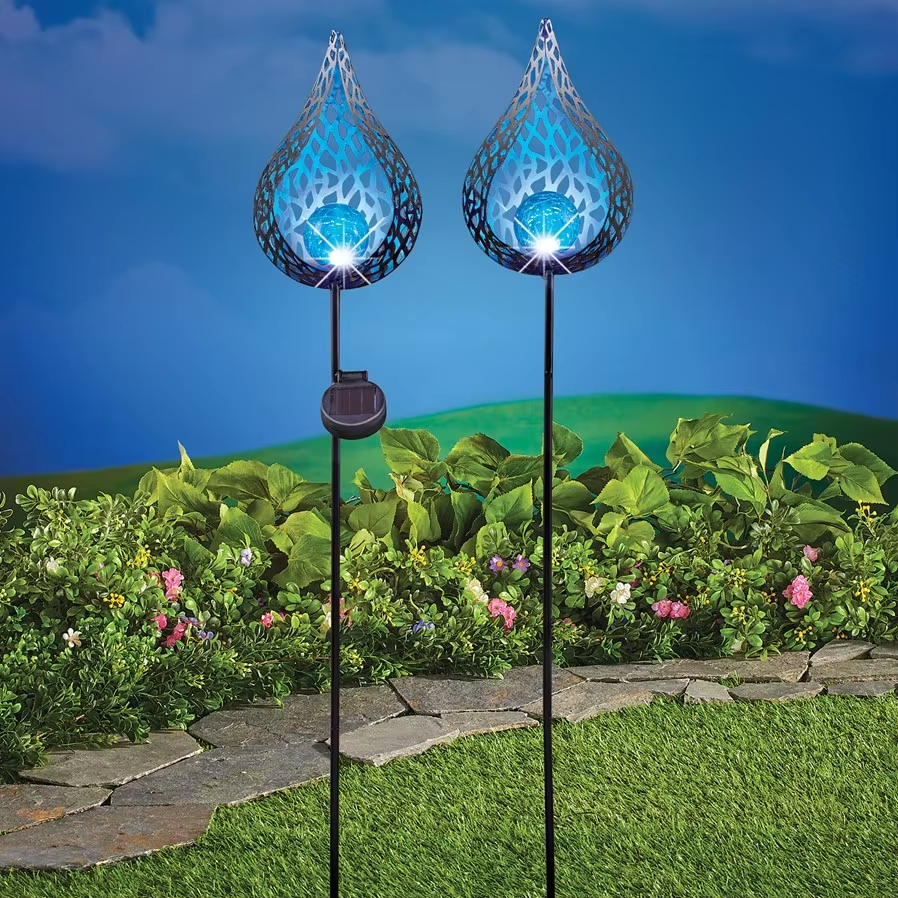
Tecnologías de células solares de próxima generación que revolucionan la eficiencia y el diseño
Las células solares de perovskita (PSC, por sus siglas en inglés) permiten una alta eficiencia con flexibilidad estética
Las células solares de perovskita, o PSC (por sus siglas en inglés), como suelen denominarse, han transformado realmente el panorama de las aplicaciones decorativas para jardines. Estudios recientes realizados por SalishSea en 2025 mostraron que estas células alcanzan eficiencias de aproximadamente el 32 %, un resultado bastante impresionante. Lo que las distingue de los pesados paneles de silicio es su ligereza, sus opciones de transparencia y su capacidad para cambiar de color. Esto significa que ahora podemos integrarlas en elementos como luces decorativas para jardín, esculturas artísticas e incluso instalaciones arquitectónicas de vidrio sin reducir la generación de energía. El proceso de fabricación de las PSC permite imprimir patrones detallados sobre todo tipo de superficies, incluidas láminas de acrílico y vidrio templado, convirtiendo lo que antes era meramente una fuente de energía en un elemento visualmente atractivo. En lugares como senderos de jardín con iluminación sofisticada, esculturas centrales en espacios públicos o zonas históricas donde la estética importa tanto como las credenciales medioambientales, las PSC ofrecen una verdadera situación de «ventaja mutua» entre funcionalidad y atractivo visual.
Fotovoltaicos orgánicos (OPV) y células sensibilizadas por colorante (DSSC) para integración decorativa con sintonización del color
La iluminación solar para jardines ha dado un salto creativo con la introducción de las células fotovoltaicas orgánicas (OPV) y las células solares sensibilizadas por colorante (DSSC). Estas tecnologías ofrecen a los diseñadores opciones coloridas que van desde verdes esmeralda intensos hasta azules índigo profundos, que armonizan perfectamente con macizos de flores, jardines estacionales o antiguos muros de piedra alrededor de las propiedades. Las OPV alcanzan una eficiencia de aproximadamente el 15 %, pero conservan su naturaleza flexible y permiten el paso parcial de la luz. Por su parte, las DSSC funcionan especialmente bien en ausencia de luz solar directa: generan electricidad incluso cuando se instalan en zonas sombreadas, como pérgolas o bajo la copa de los árboles, ya que utilizan materiales orgánicos similares a los que encontramos en la naturaleza para capturar la luz. Ya empezamos a ver su integración en elementos como fuentes para pájaros de vidrieras, baldosas para caminar hechas con mosaicos coloridos y azulejos cerámicos decorativos en muros, donde resulta casi imperceptible la presencia de la tecnología solar, aunque sin duda contribuye tanto al aspecto estético como a la funcionalidad de los espacios exteriores.
Paneles solares flexibles y ligeros amplían las posibilidades de aplicación en la decoración de jardines
Estas películas solares ultradelgadas, que no se rompen, están transformando lo que es posible en la decoración de jardines. Con un peso aproximado de 400 gramos por metro cuadrado, pero generando aún alrededor de 120 vatios por metro cuadrado, abren emocionantes posibilidades para espacios exteriores. Lo que las hace especiales es su flexibilidad. Los jardineros pueden envolverlas alrededor de curvas de fuentes, estirarlas sobre estructuras de pérgolas e incluso adherirlas a muros de piedra rugosos sin preocuparse por daños. Y tampoco hay que temer el mal tiempo: estas películas resisten tormentas de granizo, sobreviven a los ciclos de deshielo invernales y soportan sin problemas el tránsito accidental de peatones. Al integrarse en tejidos o mezclarse con otros materiales, se convierten en fuentes de energía para sistemas de iluminación de toldos, estructuras retráctiles de sombra y esos elegantes maceteros que cargan dispositivos mientras cultivan flores. Artistas que trabajan con esculturas eólicas e instalaciones móviles han comenzado a utilizar fotovoltaicos flexibles no solo como fuentes de energía, sino también como componentes estructurales reales. Esto significa que la tecnología solar ya no se limita a permanecer estática recolectando luz solar: ahora forma parte activa de la acción en nuestro mundo exterior en constante evolución.
Integración inteligente: cómo IoT y la IA están mejorando los sistemas de iluminación solar para jardines
Decoración solar habilitada para IoT para una automatización perfecta del hogar inteligente y del paisaje
Conectar las decoraciones solares para jardín mediante tecnología IoT las transforma de simples elementos independientes en componentes inteligentes de un sistema exterior más amplio. Mediante aplicaciones para smartphone y comandos de voz, las personas pueden comprobar el nivel restante de carga de la batería, ajustar los horarios de encendido y apagado de las luces e incluso activar luces con detección de movimiento sin necesidad de salir al exterior. Los sensores integrados para medir los niveles de luz, la detección de movimiento y la distancia permiten que estas decoraciones reaccionen de forma inteligente. Por ejemplo, las luces de los caminos se atenuarán automáticamente cuando comiencen a funcionar las fuentes cercanas. El riego del jardín se detiene durante los periodos en que los paneles solares generan la máxima cantidad de electricidad. Algunos sistemas incluso se conectan a servicios meteorológicos para reducir automáticamente el brillo justo antes de que comience a llover. Toda esta conectividad implica menos tiempo dedicado a comprobaciones manuales, una mayor eficiencia energética en todos los dispositivos vinculados y una gestión mucho más fluida conjunta de los sistemas de iluminación exterior, control de temperatura y cuidado de las plantas.
Iluminación adaptable y optimización energética impulsadas por IA en entornos exteriores
La tecnología inteligente de IA lleva las luces solares para jardín mucho más allá de simples interruptores de encendido/apagado. Estos sistemas aprenden realmente de las condiciones meteorológicas pasadas, siguen el recorrido del sol a lo largo de las distintas estaciones y observan cómo utilizan las personas efectivamente sus espacios exteriores. Con base en toda esta información, predicen la cantidad de energía necesaria cada día y gestionan la energía almacenada en consecuencia. Cuando hay nubes durante varios días seguidos, las luces concentran la energía en los caminos, donde las personas la necesitan más. Por la noche, reducen la iluminación en las zonas que, de todas formas, no se están utilizando. El aspecto de aprendizaje automático mejora progresivamente la distribución de energía entre múltiples dispositivos con el tiempo, lo que puede alargar considerablemente la duración total del sistema. Algunas pruebas indican que la vida útil aumenta aproximadamente un 40 % en comparación con las instalaciones tradicionales. Y cuando algo empieza a funcionar de forma anómala —por ejemplo, caídas de tensión o sensores defectuosos—, el sistema envía alertas para que los problemas se resuelvan antes de convertirse en grandes contratiempos. Este tipo de mantenimiento proactivo marca toda la diferencia, especialmente en jardines alejados de las bases operativas, donde no siempre resulta práctico desplazarse para comprobar su estado.
Almacenamiento avanzado de energía y captación más inteligente para un rendimiento fiable en exteriores
Las baterías de estado sólido mejoran la seguridad y la durabilidad en las luces solares para jardín
Las baterías de estado sólido, o ASSB (por sus siglas en inglés), como se las denomina en la industria, resuelven varios problemas que afectan a las tradicionales celdas de litio-ión cuando se utilizan en decoraciones solares para exteriores. ¿Cuáles son los principales problemas? La inestabilidad térmica, la sensibilidad a la humedad y la pérdida gradual de rendimiento con el paso del tiempo. Estas nuevas baterías sustituyen los inflamables electrolitos líquidos por materiales mucho más seguros y estables. Funcionan de forma fiable incluso cuando las temperaturas oscilan desde valores por debajo de la congelación durante la noche hasta temperaturas extremadamente elevadas durante el día. Además, no sufren corrosión al estar expuestas a la humedad y resisten todo tipo de agresiones físicas provocadas por el viento, las vibraciones del tráfico circundante o los movimientos del terreno causados por los cambios estacionales. Lo más impresionante, sin embargo, es su vida útil: aproximadamente un 40 % más larga que la de las baterías convencionales. Y, lo más importante, no existe absolutamente ningún riesgo de sobrecalentamiento ni de incendio. Esto las convierte en la opción ideal para aplicaciones como luces solares para senderos del jardín que permanecen instaladas año tras año, linternas decorativas de alta gama en patios e incluso sistemas de iluminación subacuática en estanques o fuentes, donde nadie desea tener que subirse periódicamente cada pocos meses para reemplazar baterías agotadas.
Paneles solares bifaciales y sensores inteligentes maximizan la captación de luz solar en entornos dinámicos
Los paneles solares bifaciales pueden aumentar la producción de energía en aproximadamente un 30 %, ya que captan tanto la luz solar directa como la luz reflejada en superficies cercanas, como senderos de piedra, zonas de grava, instalaciones acuáticas y paredes blancas. Cuando se conectan a esos pequeños sensores ajustables que detectan la dirección de la luz, los paneles se mueven automáticamente para obtener la máxima exposición solar al amanecer, al atardecer e incluso cuando aparecen nubes. El sistema de control inteligente calcula en tiempo real las necesidades actuales frente a la energía que se está generando: reduce el brillo de los LED cuando no hay nadie alrededor, ahorra electricidad adicional y redirige la energía allí donde resulta más útil en toda la instalación. Gracias a esta combinación de captación desde dos direcciones más el almacenamiento de energía excedentaria, las luces permanecen encendidas de forma fiable incluso si hay tres días seguidos de cielos nublados. Las personas comienzan a confiar mucho más en las decoraciones solares una vez que observan su buen funcionamiento también durante los meses de invierno.
Materiales innovadores y diseños multifuncionales que moldean el futuro de la decoración solar
Materiales autorreparables y biomiméticos mejoran la durabilidad y la longevidad estética
Los nuevos materiales están haciendo que las decoraciones solares para jardín duren más tiempo, tanto funcional como visualmente, gracias a diseños inspirados en la naturaleza. Estos plásticos autorreparables contienen microcápsulas en su interior que se activan ante un arañazo, reparando automáticamente los pequeños daños antes de que empeoren. Los recubrimientos especiales de estos productos imitan la forma en que las hojas de loto repelen el agua, por lo que permanecen limpios con muy poco esfuerzo por parte del usuario. El polvo, el polen y las algas se deslizan fácilmente, manteniendo los paneles solares limpios y funcionando eficientemente incluso tras varios meses al aire libre. Algunas pruebas indican que estas mejoras pueden prolongar la vida útil de los productos aproximadamente un 40 % respecto a los artículos de plástico convencionales tratados contra los daños por radiación UV. Además, al ofrecer opciones con distintos acabados —como piedra, veta de madera o terracota—, los propietarios pueden integrar sin esfuerzo funciones alimentadas por energía solar en su diseño paisajístico, ya prefieran jardines tradicionales, estilos acogedores de cabaña o espacios modernos de patio.
Decoración solar multifuncional: combina iluminación, carga y estética paisajística
Las decoraciones solares ya no se limitan simplemente a embellecer los espacios. Se están convirtiendo en verdaderas herramientas multifuncionales dentro del paisajismo de jardines. Tomemos, por ejemplo, esas pequeñas balizas para senderos: muchas de ellas ahora incorporan carga inalámbrica certificada Qi. Algunas fuentes ornamentales para aves más sofisticadas cuentan con luces LED que permanecen encendidas toda la noche, además de puertos USB-C para cargar dispositivos. Y ni siquiera mencionemos los sistemas modulares de emparrado: realmente incluyen paneles de luz de cultivo, lo que permite a las personas cultivar hierbas verticalmente. Incluso los bancos y los postes decorativos que rodean los patios albergan estaciones de carga solar ocultas bajo su diseño, sin dejar de lucir lo suficientemente atractivos como para armonizar con cualquier estilo de decoración de patio trasero. ¿Por qué? Porque los consumidores buscan artículos que desempeñen múltiples funciones simultáneamente. Según el Informe sobre Tendencias de Vida al Aire Libre de GreenLancer del año pasado, una encuesta reciente reveló que casi siete de cada diez propietarios consideran la funcionalidad multifunción como uno de los criterios prioritarios al comprar artículos para exteriores. Cuando desde la generación de energía hasta la iluminación se integran en un solo objeto bien diseñado, se reducen los cables desordenados, se simplifica la instalación y se ayuda a las personas a recordar, efectivamente, que optar por soluciones ecológicas no implica renunciar a la comodidad.
Sección de Preguntas Frecuentes
¿Para qué se utilizan las células solares de perovskita (CSP) en la decoración de jardines?
Las CSP se utilizan en la decoración de jardines debido a su alta eficiencia, bajo peso y flexibilidad estética, lo que permite integrarlas en luces decorativas para jardín, instalaciones de vidrio arquitectónico y esculturas.
¿Cómo mejoran las fotovoltaicas orgánicas (FVO) y las células sensibilizadas por colorante (CSC) la estética exterior?
Las FVO y las CSC ofrecen opciones ajustables en color que se integran armoniosamente con el entorno, como macizos de flores y jardines estacionales, haciendo que la tecnología solar sea visualmente atractiva además de generar electricidad.
¿Pueden los paneles solares flexibles resistir condiciones meteorológicas adversas?
Sí, los paneles solares flexibles están diseñados para soportar granizadas, ciclos de deshielo invernales y tránsito peatonal, manteniendo al mismo tiempo su ligereza y su capacidad para generar energía de forma eficiente.
¿Cómo se integra la tecnología IoT con los sistemas de iluminación solar para jardín?
La tecnología IoT permite que las luces solares para jardín reaccionen de forma inteligente mediante aplicaciones y comandos de voz, automatizando los ajustes de iluminación y mejorando la eficiencia energética mediante la automatización del paisaje.
¿Qué mejoras ofrecen las baterías de estado sólido para uso al aire libre?
Las baterías de estado sólido ofrecen una mayor seguridad, estabilidad y durabilidad para luces solares al aire libre, ya que son resistentes a los cambios de temperatura y a la corrosión, y tienen una mayor vida útil sin sobrecalentarse.
Table of Contents
-
Tecnologías de células solares de próxima generación que revolucionan la eficiencia y el diseño
- Las células solares de perovskita (PSC, por sus siglas en inglés) permiten una alta eficiencia con flexibilidad estética
- Fotovoltaicos orgánicos (OPV) y células sensibilizadas por colorante (DSSC) para integración decorativa con sintonización del color
- Paneles solares flexibles y ligeros amplían las posibilidades de aplicación en la decoración de jardines
- Integración inteligente: cómo IoT y la IA están mejorando los sistemas de iluminación solar para jardines
- Almacenamiento avanzado de energía y captación más inteligente para un rendimiento fiable en exteriores
- Materiales innovadores y diseños multifuncionales que moldean el futuro de la decoración solar