EN
EN

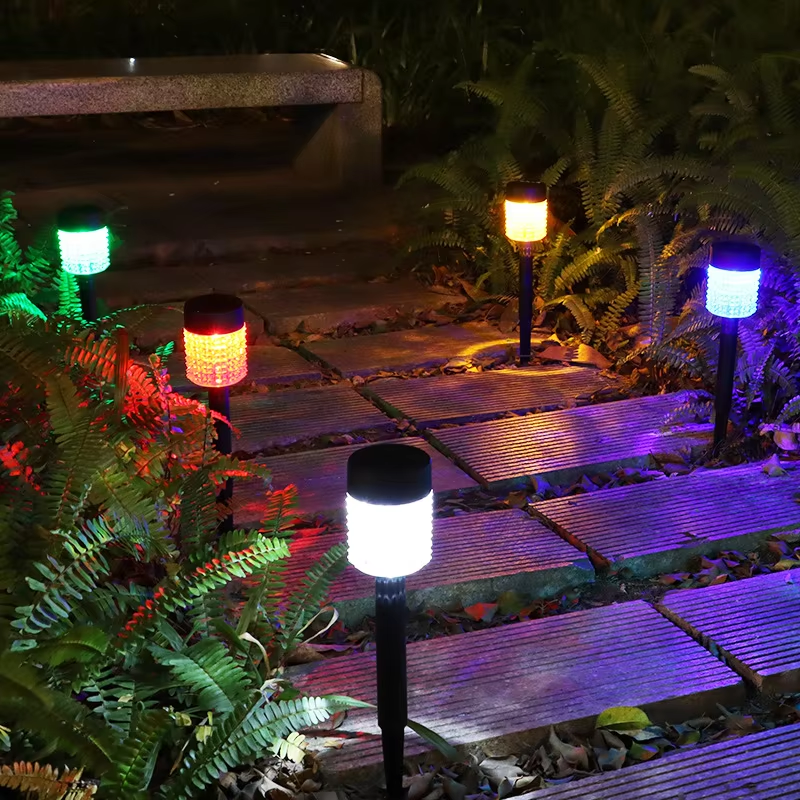
Características innovadoras que impulsan la diferenciación de las luces solares para senderos
Opciones de color RGBW, sincronización con música e inteligencia de movimiento
Las últimas luces solares para senderos incorporan tecnología LED RGBW que les permite mostrar millones de colores diferentes mediante aplicaciones para smartphones, transformando una simple iluminación en una experiencia mucho más atractiva para cualquier persona que pase por allí. Algunos modelos incluso pueden sincronizarse con la música que suena en las cercanías, ajustando los niveles de brillo y pulsando al ritmo de lo que ocurre a su alrededor. Este tipo de funciones inteligentes se está volviendo bastante popular entre viviendas de gama alta y hoteles de lujo que buscan crear ambientes inolvidables. Sin embargo, lo que realmente distingue a los productos de gama superior es su avanzado sistema de detección de movimiento. En lugar de los sensores PIR convencionales, que a menudo se activan por mascotas o sombras que pasan, estas versiones de alta gama combinan dos elementos sensores con algoritmos inteligentes para reducir las activaciones accidentales aproximadamente a la mitad en comparación con los modelos básicos. Toda esta funcionalidad adicional justifica plenamente pedir a los clientes que paguen entre un 20 % y un 35 % más, manteniendo al mismo tiempo una fiabilidad sólida a lo largo del tiempo.
MPPT frente a PWM para la carga solar: la eficiencia como diferenciador premium
La arquitectura de carga solar sigue siendo el divisor técnico más decisivo entre luces solares para senderos de gama baja y de gama alta:
- MPPT (Seguimiento del Punto de Máxima Potencia) los controladores optimizan dinámicamente la tensión y la corriente para extraer la máxima energía, incluso bajo sombra parcial o condiciones de poca luz, mejorando la eficiencia de captación en un 15–30 % respecto a PWM. Esto se traduce en 2–4 horas adicionales de funcionamiento constante durante los meses de invierno, abordando directamente los desafíos de mantenimiento del flujo luminoso en aplicaciones autónomas.
- PWM (Modulación por ancho de pulso) sigue siendo el estándar rentable en modelos de entrada, pero sacrifica hasta el 25 % de la capacidad de carga potencial en días nublados, limitando la resistencia estacional.
La adopción de MPPT ya no es exclusiva de los sistemas comerciales; se ha convertido en un requisito básico para las marcas premium de iluminación solar residencial comprometidas con un rendimiento todo el año.
¿Las funciones inteligentes mejoran la fiabilidad o complican el rendimiento?
Las aplicaciones inteligentes y los comandos de voz sin duda facilitan la vida a la hora de programar las luces, agruparlas o ajustar su brillo de forma remota. Pero hay un inconveniente. Según una evaluación del sector realizada el año pasado, aproximadamente un tercio de los problemas con estas farolas solares inteligentes se debieron, en realidad, a actualizaciones de software fallidas o a la pérdida de la conexión Wi-Fi. Por eso, los principales fabricantes han comenzado a separar las funciones esenciales de las funciones inteligentes. El ciclo básico de encendido/apagado al atardecer y al amanecer, así como las funciones de detección de movimiento, siguen funcionando mediante hardware convencional y no dependen de ninguna conexión a Internet. Por su parte, los componentes inteligentes están alojados en cajas estancas con clasificación IP67+, de modo que, si la red falla, no interfieren con las funciones principales de iluminación. Las encuestas de mercado también respaldan este enfoque: casi la mitad de los clientes afirma que prefiere que sus luces exteriores funcionen de forma fiable sin necesidad de ajustes constantes, incluso si eso significa renunciar a algunas opciones avanzadas de conectividad. Esto demuestra que necesitamos sistemas de respaldo más inteligentes, en lugar de hacer que todo dependa de una tecnología que podría fallar.
Diseño y segmentación de mercado: estrategias premium frente a estrategias económicas
Materiales, calidad de fabricación y garantía como palancas competitivas
¿Qué distingue a las luces solares para senderos de alta calidad del resto? Fíjese en los materiales utilizados. Las opciones premium suelen contar con carcasa de acero inoxidable de grado marino o de aluminio recubierto con polvo, combinadas con cubiertas de vidrio templado. Estos componentes están diseñados para resistir impactos, protegerse frente a los daños causados por los rayos UV y soportar la corrosión con el paso del tiempo. La mayoría de las mejores marcas respaldan sus productos con garantías de 3 a 5 años, porque saben que estas luces durarán. Por otro lado, las alternativas más económicas suelen emplear carcasas de plástico ABS poco resistente y juntas de epoxi simples. Como resultado, estos modelos económicos tienden a mostrar signos de desgaste y, finalmente, dejan de funcionar correctamente tras tan solo 12 a 18 meses de uso. Según una investigación publicada en el Informe sobre la Durabilidad de la Iluminación Exterior 2023, los mejores materiales reducen casi a la mitad la necesidad de sustituciones provocadas por problemas climáticos. Esto significa que esos períodos de garantía no son meras promesas vacías, sino garantías reales sobre el tiempo durante el cual el producto debería funcionar correctamente. Las personas que valoran adquirir un producto duradero suelen pagar inicialmente un 30 % a un 50 % más, pero a largo plazo terminan ahorrando dinero, ya que no tienen que reemplazar sus luces cada temporada.
Tendencias estéticas: proyección galáctica, minimalismo empotrado y atractivo vintage
El mundo del diseño ha evolucionado más allá de la mera funcionalidad para convertirse, en la actualidad, en parte de nuestra identidad, creando segmentos de mercado casi con la misma eficacia que las especificaciones técnicas de los productos. Tomemos, por ejemplo, las luces de proyección galáctica: estos dispositivos proyectan esos atractivos efectos de cielo estrellado sobre los caminos y captan la atención de quienes buscan algo divertido y atmosférico para sus jardines. Las familias jóvenes, en particular, las adoran, al igual que los diseñadores de paisajes que buscan soluciones creativas. Por otro lado, existen esas elegantes luces empotradas que se integran perfectamente en las baldosas o en lechos de grava, lo que las convierte en ideales para espacios exteriores contemporáneos, donde todo debe lucir limpio e integrado. En propiedades antiguas o zonas de valor histórico, las luminarias de latón y cobre suelen ser opciones muy populares; muchas de ellas presentan ese atractivo acabado envejecido gracias a tratamientos manuales de pátina. Las principales marcas de este sector ofrecen numerosas opciones de personalización en cuanto a proyecciones, acabados diversos y sistemas de montaje flexibles. Esta versatilidad les permite fijar precios entre un 40 % y, incluso, un 60 % superiores a los de los modelos económicos convencionales. Según el Informe sobre Tendencias en Iluminación Paisajística, las ventas de proyecciones galácticas aumentaron aproximadamente un 28 % solo el año pasado. Esto demuestra claramente que, cuando las empresas centran su atención tanto en la estética como en la funcionalidad básica, logran conectar realmente con grupos específicos de clientes que valoran tanto el estilo como la sustancia.
Validación del rendimiento: cómo las marcas demuestran las afirmaciones sobre la salida de lúmenes y la autonomía
Normas de ensayo, sensores inmunes a mascotas y durabilidad en condiciones reales
Para que las afirmaciones sobre el rendimiento tengan credibilidad, deben respaldarse con pruebas sólidas. Los principales fabricantes siguen las normas LM-80 en lo que respecta al mantenimiento del flujo luminoso, lo que básicamente implica registrar cómo los LED pierden brillo con el tiempo tras miles de horas de funcionamiento bajo estrés térmico. La mayoría de las luminarias suelen ofrecer, según lo publicitado, un rango típico de 10 a 40 lúmenes. La verificación independiente de los resultados de laboratorio ayuda a garantizar que lo observado en entornos controlados coincida efectivamente con lo que ocurre en condiciones reales, como en pasillos y entradas de vehículos. Los sensores de movimiento inmunes a mascotas se calibran in situ teniendo en cuenta los distintos patrones de movimiento de los animales, lo que reduce considerablemente esas molestas activaciones falsas que todos hemos experimentado. Las pruebas de resistencia no consisten únicamente en hacer funcionar los dispositivos ininterrumpidamente durante más de 500 horas; los productos también deben soportar su inmersión en agua como parte de los requisitos de su clasificación IP65. Todos estos procedimientos de ensayo establecidos permiten distinguir claramente la calidad real de los productos de las promesas publicitarias vacías, ofreciendo a los consumidores elementos tangibles en los que basar sus decisiones, en lugar de meras afirmaciones llamativas.
Integración inteligente y tendencias futuras en la iluminación solar para exteriores
Lo que realmente distingue actualmente a las luces solares para senderos no es simplemente su capacidad de conectarse a otros dispositivos. Las mejores incorporan controles integrados mediante aplicaciones y son compatibles con asistentes de voz como Alexa y Google Home. Esto significa que los usuarios pueden ajustar los niveles de brillo desde sus teléfonos, programar horarios específicos para el encendido de las luces e incluso sincronizar múltiples luces para que se activen simultáneamente en todo el jardín. Algunos sistemas permiten agrupar distintas luces con fines de programación. Asimismo, funcionan sin problemas con otros dispositivos para el hogar inteligente mediante protocolos como Matter o Thread. Este tipo de integración permite un funcionamiento más fluido y responde a lo que los clientes demandan hoy en día: un único punto de control para todos los dispositivos, manteniendo al mismo tiempo un seguimiento del consumo energético.
Diagnóstico mediante IoT, algoritmos de iluminación adaptativa y materiales sostenibles
Los sistemas más recientes hacen mucho más que simples funciones de control remoto en la actualidad. Los sensores inteligentes integrados en el equipo registran, de hecho, aspectos como la acumulación de suciedad en los paneles, el estado de salud de las baterías y si los ciclos de carga están funcionando de forma eficiente en este momento. Envían alertas cuando algo obstruye el sistema o cuando la potencia de la batería comienza a disminuir antes de que los problemas se manifiesten realmente. En cuanto a la iluminación, algoritmos inteligentes ajustan la intensidad luminosa según quién pasa por allí, cuánto tiempo permanece una persona en la zona y qué tipo de luz natural está disponible en el exterior. Esto mejora la seguridad, pero también ahorra energía al mismo tiempo. Asimismo, los esfuerzos en materia de sostenibilidad están ganando impulso. Los fabricantes empiezan a utilizar aluminio reciclado para las piezas de la carcasa, instalan paneles solares de alta eficiencia (algunos alcanzan una eficiencia superior al 24 %) e incorporan materiales fabricados con polímeros biodegradables. Todos estos cambios reducen el daño ambiental a lo largo del ciclo de vida del producto aproximadamente un 40 % en comparación con versiones anteriores. Lo que observamos en toda la industria es un cambio significativo hacia sistemas que se autorreparan y cuidan del planeta, sin dejar de ofrecer resultados óptimos para las personas que los utilizan a diario.
Preguntas Frecuentes
- ¿Qué es la tecnología LED RGBW? La tecnología LED RGBW permite que las luces solares para senderos muestren millones de colores, mejorando su atractivo visual mediante aplicaciones para smartphone.
- ¿Cuál es la diferencia entre la carga solar MPPT y la carga solar PWM? MPPT optimiza el voltaje y la corriente para lograr una mayor eficiencia, mientras que PWM es más económica, pero menos eficiente en ciertas condiciones.
- ¿La integración inteligente afecta la fiabilidad? Las funciones esenciales están separadas de las funciones inteligentes, garantizando la fiabilidad incluso sin conexión a Internet.
- ¿Qué materiales se utilizan en las luces solares premium para senderos? Las opciones premium suelen utilizar acero inoxidable de grado marino o aluminio recubierto con polvo para mayor durabilidad.
Table of Contents
- Características innovadoras que impulsan la diferenciación de las luces solares para senderos
- Diseño y segmentación de mercado: estrategias premium frente a estrategias económicas
- Validación del rendimiento: cómo las marcas demuestran las afirmaciones sobre la salida de lúmenes y la autonomía
- Integración inteligente y tendencias futuras en la iluminación solar para exteriores